Tailings risk management – an integrated approach
Broad awareness of catastrophic tailings disasters means it is no longer acceptable for miners to only improve risk management after disaster has struck.
In the case of tailings and liquid containment risk management, there have been 2 main interconnected drivers for risk improvement in recent times:
The PAGER team is highly experienced in tailings risk management. We have been on the ground in the aftermath of major catastrophes as a core part of investigation and remediation teams.
We have also helped executive teams and boards understand the internal and external causes of tailings storage facility (TSF) failures, and their organisation’s risk, emergency and crisis management maturity.
GISTM raises a conformance requirement, but it also presents an opportunity to drive leading practice.
At PAGER, we are working with our clients to leverage their GISTM efforts for sustainable, practical and longer lasting improvement. Here’s how.
An integrated framework across the asset lifecycle
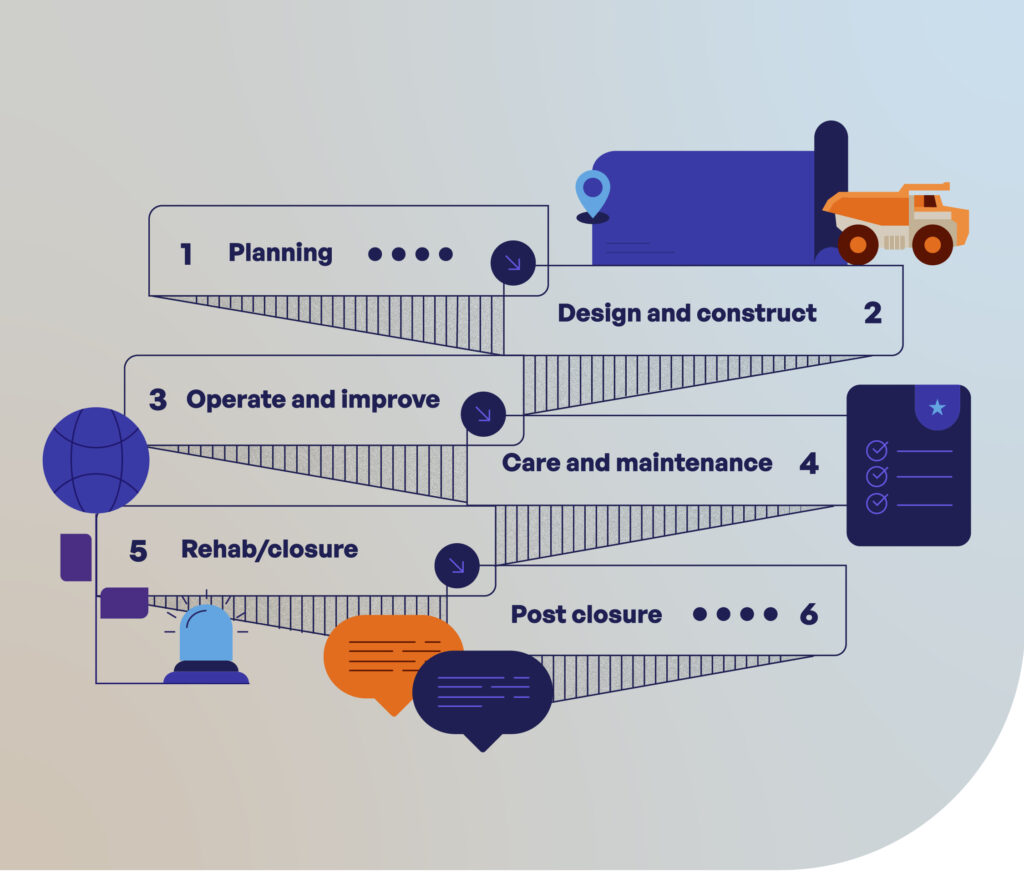
PAGER has developed an 8-element framework that we apply across 6 stages of the mining lifecycle.
This approach ensures we help our clients to continuously address tailings risk through both a site and corporate lens, optimising risk management effectiveness from mine or asset planning through to post-closure requirements.
Holistic support across 6 stages of the mining lifecycle
Each of the 6 mining lifecycle stages has distinct tailings risk requirements. These span both technical and strategic considerations:
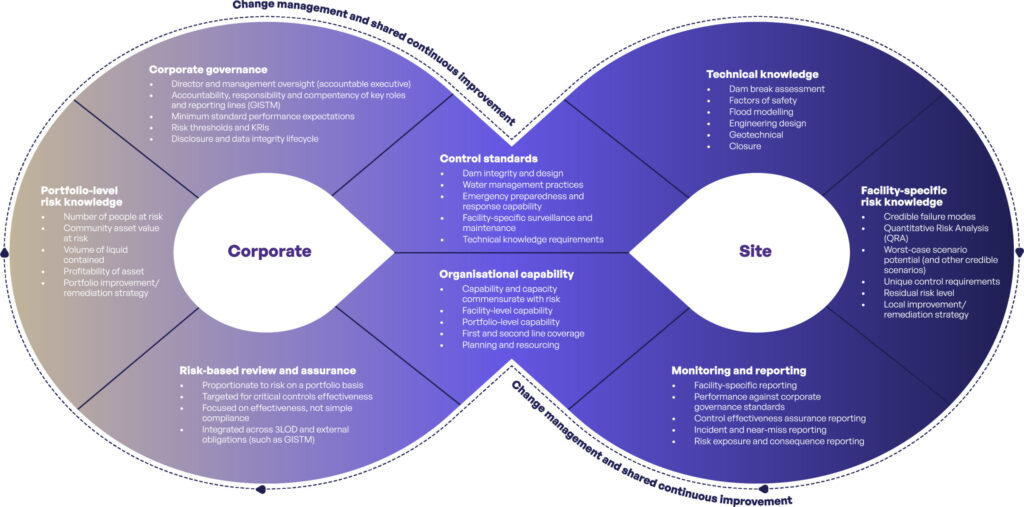
A comprehensive framework across 8 elements of risk management
Informed by years of real life, on-the-ground experience, our tailings risk management framework helps clients understand their TSF risks at both a corporate and site level, and everything in between. We apply our framework at each stage of the TSF lifecycle.
As you can see in our diagram, our comprehensive approach integrates the 6 key elements of the ICMM Tailings Governance Framework, enabling GISTM conformance. However, our clients can also go beyond conformance to implement leading-practice tailings risk management.
Our overarching premise is that companies must understand their TSF risks at both a corporate and a site level. Critical gaps at one asset can leave a company vulnerable across their entire global portfolio.
That’s why our framework weaves together facility-specific risk knowledge and technical assessments to create a portfolio-level risk understanding. We overlay corporate governance; control standards; organisational capability; and risk-based assurance, monitoring and reporting to deliver effective tailings risk management.
A solution across single facilities and an entire portfolio
We offer clients a multi-stage GISTM conformance solution at single facilities and across an entire portfolio.
Our single facility approach:
Meanwhile, our portfolio-wide assessments are prioritised and scheduled to enable budget and workload planning, over a year and across years.
A unique tailings risk team
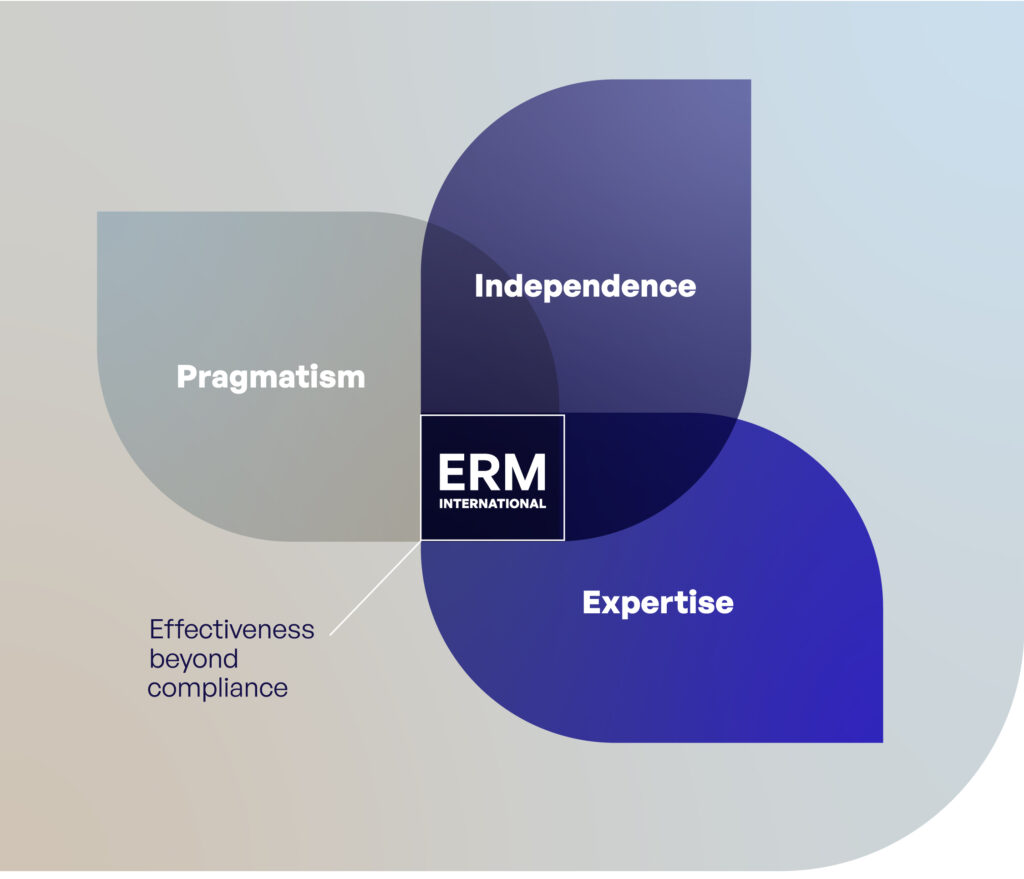
Combining expertise, pragmatism and independence, PAGER promotes tailings risk management effectiveness beyond compliance. We believe we are uniquely positioned to support clients across all 3 pillars.
Traditional audit firms offer independence but may lack tailings capability.
Traditional engineering firms have the expertise, but perhaps not the independence. Very few providers would have the depth and breadth of our real-world experience to offer pragmatic solutions that deliver effectiveness beyond compliance.
Get in touch
At PAGER, we provide Advisory support and an AI Technology platform to help organisations transform their enterprise risk value.
Get in touch if you would like to learn more.